Showing posts with label Patents and Innovation. Show all posts

Wednesday, August 20, 2008

Bird Flu Vaccine Patent

Some interesting or disturbing (depending on your perspective) news to report today as it appears that the US Government has applied for an international patent in respect of a vaccine for the treatment of influenza and in particular for the treatment of bird flu (H5N1).

The patent application was first filed with the United States Patent Office (USPTO) on February 16, 2006 as application number 60/774,923. Exactly a year later the same application was filed via the Patent Cooperation Treaty (PCT). The PCT application is numbered PCT/US2007/004506 with a corresponding publication number of WO/2007/100584.

The applicants are cited as the Government of the United States of America, as represented by the Secretary, Department of Health and Human Services -National Institutes of Health,, Office of Technology Transfer, 6011 Executive Blvd., Suite 325, Rockvillle, Maryland 20852-3804 (US) and the Government of the United States of America, as represented by the Secretary, Department of Health and Human Services - Centers for Disease Control and Prevention, 4770 Biford Hwy (K79), Atlanta, Georgia 30333 (US).

In the description of the application the applicant notes ‘The significant public health impact of Influenza A and B virus infections is compounded by the threat of emerging virus strains. Concerns exist that avian influenza virus (H5N1), endemic in poultry in Southeast Asia, may trigger a pandemic in humans should the virus evolve to spread from human-to-human’.

It goes on to state that the ‘invention provides a vaccine strategy for controlling influenza epidemics, including avian flu, should it cross over to humans, the 1918 strain of flu, and seasonal flu strains. In addition, the invention is designed to lead to a combination vaccine to provide a broadly protective vaccine'.

Whilst acknowledging the existence and availability of other patents for the treatment of bird flu, citing those owned by Sanofi Pasteur, Inc. and Chiron Corporation as examples, the applicant nevertheless proffered that there was still a concern that the production by these companies would not be sufficient to meet demands were there to be a worldwide pandemic. The applicants relied on a 2004 World Health Organization (WHO) which highlighted the need for a ‘new broad-spectrum influenza vaccine’ to treat with multiple influenza strains.

What is controversial about this particular patent application is that the new vaccine incorporates one to four genes from a H5N1 strain which was isolated from an Indonesian victim of bird flu in 2005. It goes further by also incorporates genes from flu strains in Thailand, Hong Kong and South Korea. It is worth noting that the strain that contains the genes was transferred to the WHO Global Influenza Surveillance Network (GISN) by Indonesia for characterization for public health purposes.

This is a troubling development as one of the applicants, the Centers for Disease Control (CDC) is a WHO Collaborating Centre for influenza and virus studies. The mandate of Collaborating Centres is to receive influenza viruses from donor country for public health characterization purposes. The patent application raises specific questions about the US CDC, which is a WHO Collaborating Centre for influenza virus studies. The WHO Collaborating Centres receive influenza viruses from donor countries for public health characterization purposes, and not for the purposes of making proprietary claims. The GISN’s effectiveness rests on the prompt sharing of and access to viruses from all donors. However, one wonders how many donor countries will wish to continue to share influenza viruses for research and vaccine development if it is that Governments who operate Collaborating Centres are minded to make proprietary claims over the materials which they have received as a result of the GISN system. Obviously this patent application built on the back of the GISN system of virus sharing will call into question the entire system and may very well undermine its effectiveness.

As for the application itself there are far reaching implications for developing countries especially when one considers that this particular patent application for a bird flu vaccine designates over 100 countries states, including most Latin American, African, and Asian countries.
What can be done? What of the rights of the Indonesian Government which supplied the strain from which the gene has been extracted? Does the human victim from whom the gene was extracted have a proprietary right to his gene?

It seems that it is these occurrences which strengthen the call for a reform of patent laws. It would seem patently unfair (pardon the pun) for the US Government to be able to assert ownership of a gene that was provided in good faith for public health purposes and to gain a potential financial windfall by acquiring a patent for commercial exploitation.

The developments in this one will be worth following.

Sunday, January 14, 2007

Ethical Pharmaceuticals

Best wishes for 2007 from all of us at IPMed.

While we have been on a brief break, an important development in the campaign on access to medicines and needs-based research has been announced.

Professor Sunil Shaunak
, Imperial College, and Professor Steve Brocchini, of the School of Pharmacy, University of London, have announced a new model of development and delivery, which they call "ethical pharmaceuticals." The researchers claim that by altering the molecular structure of essential expensive drugs, such as the drug for Hepatitis C, they will be able to develop and market a cheaper alternative, without infringing the original patent or involving pharmaceutical firms. Indeed, pharmaceutical companies have been relying upon such "second generation" innovation to extend the life of a profitable drug before the expiration of patent protection.

With Dr Mire Zloh of the School of Pharmacy, the researchers haved worked to improve the availability and lower costs of existing treatment for Hepatitis C. Dr Zloh has identified the interdisciplinary approach in the research as one of the key factors towards paradigmatic shifts and important developments towards the model for ethical pharmaceuticals. The Schering-Plough drug used to treat Hepatitis C is called PEG-Intron (PEGylated interferon), which means it has a polyethylene glycol (PEG) side-chain on the interferon molecule. The researchers are still using a pegylated interferon but, from the reports, have discovered a way of locating an additional side-chain (second generation pegylation) elsewhere on the molecule. This achieves a more pure modified interferon much more cheaply, effectively creating a "new medicine" that is not protected by the patent. However, the industry has suggested that such drugs will still require safety trials and may potentially result in "a huge intellectual property issue."

PolyTherics (Imperial College spin-out company) was developed to build upon the work of Shaunak and Brocchini, and has teamed with the Indian company, Shantha Biotechnics. In this way, Shaunak and Brocchini will be able to develop and market the TheraPEG without selling publicly funded research to "big pharma" to take to market. Speaking to the BBC, Professor Shaunak said, "We in academic medicine can either choose to use our ideas to make large sums of money for small numbers of people, or to look outwards to the global community and make affordable medicines."

Saturday, December 02, 2006

The McPatent

The fast-food giant McDonalds has filed patent applications in Europe and the US that specify "the method and apparatus of making a sandwich". The apparatus boasts features that include “simultaneous toasting of a bread component” and inserting condiments into the sandwich with a “sandwich delivery tool.” The filling is placed in the ‘bread component’. For those of you who may be unfamiliar with the phenomenon of the sandwich, the patent application kindly explains that “Often the sandwich filling is the source of the name of the sandwich; for example, ham sandwich.”

The apparatus is designed to ensure the speedy production of sandwiches, in addition to uniformity of appearance. A diagram of the apparatus is available at: http://v3.espacenet.com/textdoc?DB=EPODOC&IDX=WO2006068865&QPN=WO2006068865

But before you cast your lunch aside for fear of a nasty encounter with a McDonalds patent attorney, the traditional, manual method of sandwich assembly is unlikely to be affected. Lawrence Smith-Higgins of the UK Patent Office said: "McDonald's or anyone else can't get retrospective exclusive rights to making a sandwich. They might have a novel device but it could be quite easy for someone to make a sandwich in a similar way without infringing their claims." McDonald's would not comment.

Tuesday, November 14, 2006

Access to Medicine Ongoing Challenge for Poor


Oxfam has released today a Briefing Paper outlining how very little has changed to improve access to medicines since Doha. In the press release accompanying the publication, Oxfam says, "Poor people in developing countries are still being denied life-saving medicines five years after world leaders signed a formal trade declaration to put health before profits."

The Briefing Paper, entitled "Patents versus Patients: Five years after the Doha Declaration," maintains that trade rules continue to present a major barrier to genuine access to affordable medicines. The Paper describes patent protection as an ongoing obstacle to the delivery of cheaper generic versions to poor countries and calls for urgent action.

The Paper states "The Doha Declaration unequivocally recognises and clarifies that the TRIPS Agreement should not prevent WTO member countries from taking measures to protect public health," and "recognises the legitimate need of countries to take measures to reduce the price of medicines, such as using TRIPS safeguards." However, the "TRIPS-plus agenda" is seriously compromising the availability of such flexibilities and safeguards. In particular, the Briefing Paper criticises US trade policy and the emphasis on bilateral and regional free trade agreements as a way to ensure strong intellectual property protection despite the commitment to public health in the Doha Declaration. This is combined with what the paper describes as the indifference of other rich countries, where "all pharmaceutical companies selling medicines in a developing country, including European countries, benefit ... essentially 'free-riding' on US efforts to introduce TRIPS-plus rules."

The paper calls for new ways to promote patients over patents, noting the World Health Assembly Resolution of 2006 which established the inter-governmental working group. The World Health Organization (WHO) is tomorrow completing a public hearing in preparation for the meeting of the working group. Oxfam's paper focuses on several important cases, including the Glivec controversy.

The International Federation of Pharmaceutical Manufacturers & Associations (IFPMA) was reported in Reuters today as arguing that access to medicines is not the major public health issue in the developing world, but rather inadaquate infrastructure. But Ellen 't Hoen of Medecins sans Frontieres (MSF) was quoted as saying "The current system based on patents and high prices to pay for innovation leads to rationing and leaves huge health needs neglected."

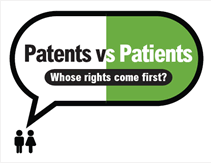
Oxfam is currently launching the Briefing Paper at BMA House in London, with highlights to be published at Patents vs Patients: Whose Rights Come First?

Tuesday, October 31, 2006

UK R&D Scoreboard 2006 - GSK Lifts UK R&D, But Size Does Matter


The UK Department of Trade and Industry (DTI) has just released the figures for the 2006 R&D scoreboard.

The R&D Scoreboard 2006 provides information on the top 800 UK and top 1250 global companies based on R&D investment. The meaning of R&D for the Scoreboard is found in the UK in the Standard Statement of Accounting Practice (SSAP 13), which defines the concept based on the different definitions used by the Organisation for Economic Co-operation and Development (OECD) Frascati manual on expenditure for research and development. For global companies the International Accounting Standard (IAS 38) is used, also based on the Frascati manual.

The SSAP provides the definition of expenditure falling into one or more of the categories of pure or basic research, applied research, and development. The third category is particularly relevant to associated measurements of patent activity, in that it covers the "use of scientific or technical knowledge in order to produce new or substantially improved materials, devices, products ..."

72 UK companies made it into the Global 1250, with an increase in UK R&D expenditure (including 245 foreign owned companies) to £19.2bn (£17bn in 2005). This has been attributed to greater disclosure as well as an increase in R&D, which is particularly strong in pharmaceuticals in the UK. The previous decrease in UK 800 expenditure (1% decrease in 2005) has been replaced by an increase of 4% in 2006. GlaxoSmithKline (GSK) reported one of the larges, at £297million.

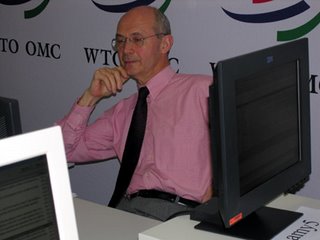
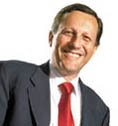
But others have criticised the increase as "distorted," pointing to the new accounting rule that insists on greater levels of disclosure in sectors not traditionally driven by or associated with R&D, such as banking. DTI senior industrialist and lead author of the report, Mike Tubbs (pictured right), in a report in The Independent, said "For the first time we had R&D from these companies. We knew they did R&D but we did not know it was that much." But a report in The Times suggests instead that "Britain is losing ground."

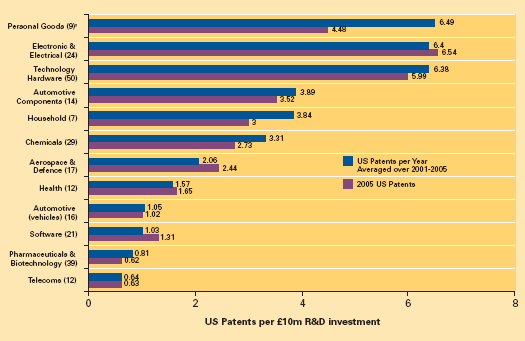
The Scoreboard for the Global 1250 shows that the pharmaceutical sector (along with software) is one of the fasting growing sectors with highest profitability. But it is second place in R&D, just behind technology hardware, putting 6 pharmaceutical companies in the top 20 (compared to none just 10 years ago). However, the number of patents granted per £10million is much lower than those for technology hardware and electronics.

The patent-to-R&D ratio for 12 sectors

According to the Scoreboard, around a quarter of the Global 1250 companies are mid-sized (sales of £50-500 million) with pharmaceutical companies making up 3/4 of these. Pharmaceuticals are the dominant sector in the UK, with the UK having the second largest proportion of pharmaceutical companies of all the top 7 R&D countries (with US having the greatest). Because the UK is particularly strong in pharmaceuticals, the report states that this explains why the UK does not have any companies in the top 20 for 2005 US patents.

Although the centenarian, GSK, is now the second-largest pharmaceutical company in the world (behind Pfizer), but a report in today's IP-Watch suggests that there is a distinct market advantage for small and medium-sized pharmaceuticals (SMEs) when it comes to neglected diseases and diseases in developing countries. Reporting on a seminar at the headquarters of the World Intellectual Property Organization (WIPO), co-organised with the Stockholm Network, IP-Watch notes the importance of "creative licensing deals" and cooperation with larger pharmaceutical companies. On patenting, Nikolaus Thumm, senior economic counsellor of the Swiss Federal Institute of Intellectual Property, told the meeting that there is a need to correct the "common misunderstanding" that the stronger the protection, the more innovation.

Saturday, October 21, 2006

Novartis and the Challenge to Indian Patent Law - Global Pharmaceutical Policy


At the recent 23rd Assembly of the International Federation of Pharmaceutical Manufacturers & Associations (IFPMA), held in Geneva, it was announced that a new code of marketing ethics is to be launched next year, according to a report in IP-Watch. But current events possibly raise questions as to how effective any code might be in the face of what is sometimes described as the litigation "business model."
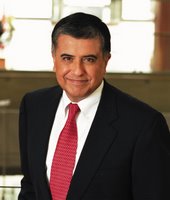
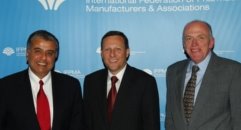
Presenting a keynote to the meeting, Mr Fred Hassan (pictured at right), Chairman and CEO of Schering-Plough and the new President of IFPMA, declared that IFPMA has made significant progress on marketing and clinical activities. He noted the voluntary guidelines developed and used in the US, and explained that implementation is now more important than strategies.

On clinical trials, Mr Hassan noted the IFPMA initiative in delivering public information. Earlier this year, IFPMA launched the second stage of the Clinical Trials Portal, developed with IBM. According to the background information provided by IFPMA, the aim of the service is to facilitate public access to pharmaceutical clinical trial data. The portal will operate as an internet search engine, allowing patients to locate information to clinical trials, both completed and in progress, and is sponsored by originator (as opposed to generic) pharmaceutical companies around the world. The portal searches the listings (registries) of on-going clinical trials and the results of completed clinical trials. IFPMA maintains that the presentation of results is "in a standard, non-promotional, summary format."

The 1st Stage of the Clinical Trials Portal was launched in September last year, but the Stage 2 upgrade allows greater functionality, including search criteria in French, German, Japanese, and Spanish, as well as the original English of Stage 1. The 2nd Stage also offers a more advanced search function as well as the use of the MedDRA and MeSH medical dictionaries to provide multilingual synonyms.

In his keynote, Mr Hassan importantly identified 4 significant obstacles to improving health care: "barriers to access," "barriers to innovation," regulatory systems, and the "barrier to openness, transparency and accountability." To overcome the first obstacle, Mr Hassan argued for improved access to health education and information as well as new interventions. On the latter, however, the critical obstacle was seen to be administrative, including that of regulatory delays (in the approval and registration of new drugs), and practices with respect to patent monopolies were not really addressed. Indeed, in comments on "barriers to innovation," intellectual property was described as "the engine of innovation." Mr Hassan argued that "only a handful of countries contribute the innovation that drives improved health care throughout the world. The US carries a disproportionate load." The new President looked to "Private entrepreneurship and risk-taking, in open markets" as the mechanism to improve innovation and resource allocation and said the "the protection of intellectual property" is "absolutely critical."
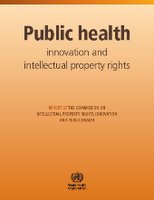
Indeed, earlier this year, in response to the first report of the World Health Organization (WHO) Commission on Intellectual Property Rights, Innovation and Public Health (CIPIH). The Report, entitled Public Health: Innovation and Intellectual Property Rights, generated a strong response from IFPMA, which expressed concern that the Report "surprisingly recommends that developing countries should make use of compulsory licensing," and criticised the Report as underestimating the role of patents. Ellen 't Hoen, from Medicins sans Frontieres (MSF) Access to Essential Medicines Campaign, however, welcomed the report. Writing in the WHO Bulletin, she described the report as presenting "a wealth of evidence and analysis in support of the view that the current system of drug development is fundamentally flawed and leaves huge health needs unmet."
Mr Hassan succeeds Dr Daniel Vasella (pictured left), Chairman and CEO of Novartis and IFPMA President 2004-2006.

Novartis has come under criticism lately, in its challenge to Indian patent law. Novartis had obtained exclusive marketing rights for 5 years for its cancer drug, Glivec (marketed as Gleevec in the US) a temporary monopoly until the Examiner submits a report on the invention (Patents Act, Chapter IVA). However, because it was decided that the invention was not an invention, the exclusive marketing rights were withdrawn. The application failed for lack of inventive step (obviousness) because it was a new form of a known substance. The refusal (analysed in an article by Manisha Singh Nair) was made on a number of grounds. But a substantial basis was provided by Section 3(d) of the Indian Patents Act, which provides that "the mere discovery of a new form of a known substance which does not result in the enhancement of the known efficacy of that substance" will not be sufficiently inventive to warrant patentability. In other words, India is refusing to allow Swiss-type claims.

Under the 2005 amendments to Indian patent law (to become TRIPS compliant), every application for exclusive marketing rights is treated as a request for examination. Further, any person or group may now file a pre-grant opposition. In this case, the Cancer Patients Aid Association and several generic pharmaceuticals (including Natco) did so in the Chennai patent office, on behalf of cancer patients.

In response, Novartis filed in May 2006, claiming that Indian patent law is unconstitutional and also contravenes international trade rules, taking the complaint to the Madras High Court, which sits in Chennai. A press officer from Novartis, speaking to IP-Watch, described the action as evidence of "Novartis' strong commitment to defending international intellectual property standards and its right to obtain patents for its innovative compounds under the World Trade Organization Agreement on Trade-Related Aspects of Intellectual Property Rights (TRIPS)." Daniel Vasella also spoke to IP-Watch, saying that the litigation was "a question of principle," and that unless Novartis pursues this it "would undermine the whole system."

According to Reuters, Novartis is claiming that Section 3(d) is not TRIPS-compliant. However, Article 27(1) of TRIPS arguably does not go so far as to mandate the protection of new use, or to define what a country must protect as an invention. It simply says, "all fields of technology, provided that they are new, involve an inventive step and are capable of industrial application." The exclusions relate to subject matter (methods, plants and animals) and such exclusions are included in the European Patent Convention (EPC), Article 52. On the other hand, a Swiss-type claim is a known product. It could be argued that this therefore forms the state of the art, and therefore Swiss type claims may be refused by countries on the basis that they are not new. Indeed, Swiss type claims are dealt with under Section 2(6) of the UK Patents Act 1977, further indicating that they are a matter of novelty. The Indian Act, however, excludes "new use of a known substance" in Section 3, "What Are Not Inventions."

The Berne Declaration (BD), a Swiss non-governmental organisation, has made a statement that section 3(d) is in compliance with TRIPS. Further, BD states that each member is entitled to introduce a patent regime compatible with its socio-economic context provided they are compliant with the minimum standards of TRIPS (Art 8), a view supported by the 2001 Doha Declaration on TRIPS and Public Health (Doha). The BD cites the WHO CIPIH Report as supporting this view. On page 34, the report states: "countries may devise their patent systems to seek teh best balance, in their own circumstances, between benefits and costs. Thus developing countries may determine in their own ways the definition of an invention, the criteria for judging patentability ... provided these are consistent with the relevant articles of TRIPS." Further, the report importantly states that, "Under TRIPS they may also exempt from patentability ... new indications of known products which amount to a therapeutic method."

Ellen 't Hoen said to IP-Watch, "This has South Africa written all over it" and has said in an MSF press release, "If Novartis' challenge against the Inidan patent law is successful, a key safeguard that can protect the production of affordable medicines will be lost." As the Times of India has reported, the cost of one month's supply of Glivec is Rs 1.10 lakh (Rs 110 000), whereas a generic equivalent is available for Rs 1100.

Civil society organisations in Switzerland, led by BD, have sent an open letter to Mr Vasella, in which 22 organisations and personalities demanded the withdrawal of the legal action. Those endorsing the letter includeed MSF Suisse, medicuba, Association of European Cancer Leagues (ECL), CO-OPERAID, and, in a private capacity, Mrs Ruth Dreifuss, former Swiss cabinet minister and Chairperson of the CIPIH, WHO. But in response to the letter, John Gilardi of Novartis has told swissinfo that "It's important that we applaud the efforts India has made to improve its intellectual property protection, but this is about ensuring that a patent for Glivec, which is recognised in over 40 countries, is also recognised in India." According to the article, Mr Gilardi claimed that Indian patent law clearly exceeded the flexibilities available. Along the lines of Mr Hassan's statement that intellectual property laws are the "engine of innovation," Mr Gilardi told swissinfo "Without a reward for innovation, there will be no innovation."

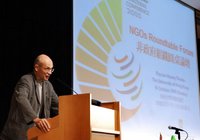
The IFPMA meeting also included a keynote presentation by Pascal Lamy Director-General of the World Trade Organization (WTO) (pictured at left, speaking at the 6th Ministerial Conference, Hong Kong, NGOs Roundtable Forum). Mr Lamy has recently spoken on the "bilateral disease" of free trade agreements, and the EU's troubling emphasis on bilateral deals. In his address to IFPMA, Mr Lamy said "I am convinced that there is no acceptable alternative to completing the Doha Round." As recently reported in the Financial Times (12 Oct, "WTO head flags trade rules"), Mr Lamy told the meeting that the WTO had not received a single notification of a developing country issuing a compulsory licence, suggesting that the current flexibilities are too complex to be used in practice. "To be frank," he said, "I see that as a problem."

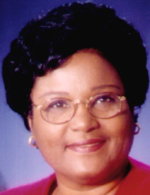
The WHO CIPIH Report has also noted the "emerging development" of the "growning number of bilateral and free trade agreements which include higher standards of protection that erode these flexibilities" considered earlier. And even EU business is wary of bilaterals. Speaking at UNICE, Michael Treschow, President of the Confederation of Swedish Enterprise, recently told the Financial Times (18 Oct, "Ericsson chief warns EU") that "It is not countries that do business with countries but companies that do business with companies." Peter Mandelson, European Commissioner for External Trade, defended bilaterals and rejected stories of his "clash" with Africa-Caribbean-Pacific (ACP) countries in an address to the European Socialist Party Conference on Economic Partnership Agreements, last Thursday. This is despite recent press that ACP countries will reject trade deals with the EU. In an article in FT Europe, Dame Billie Miller (pictured at right) Barbados trade negotiator, criticised Mr Mandelson's emphasis "economic partnership agreements" as pure trade negotiations. She said, "For us the development dimension is critical. We made our concerns known but the Commission has continued to talk the talk."

Pascal Lamy hosted an online chat last Wednesday, attracting around 150 questions on the Doha Round and the future of the WTO. The many questions in the transcript include discussions on multiculturalism in trade, life patents, controls on bilateral agreements, and the future of the Doha Round.

Sunday, October 08, 2006

Patent Filings = Innovation? Audi's Advertising Agency Thinks So

(Also posted on Patenting Lives blog)

Not quite directly related to concerns of intellectual property aspects of medicine, but certainly concerned with patent law, and so interesting I could not resist blogging it. The latest Audi commercial features "patent filings" as a slogan. The campaign hinges on a link between filings (not even granted patents, but just filings) and prestige and innovation.

It's the latest campaign for the Audi A6, entitled "A6: Patent No VOR5PRU7NGDUR6CHT3CHN1K" (catchy, yes?). The advertisement features a man and his dog walking along a deserted country road in the middle of the night. He hears a sound in the sky and looks to the stars, a fast-moving object speeds through the sky, interspersed with quick images of patent specification documents. The advertisement reaches the climax slogan, "To date, NASA has filed 6509 patents. In development the A6, Audi filed 9621" ... as an A6, after orbiting the earth, plunges out of the sky and into the ocean.

Now that's compelling advertising.